The Auto Industry in the USA: 2026 Trends, Innovation & What American Drivers Need to Know
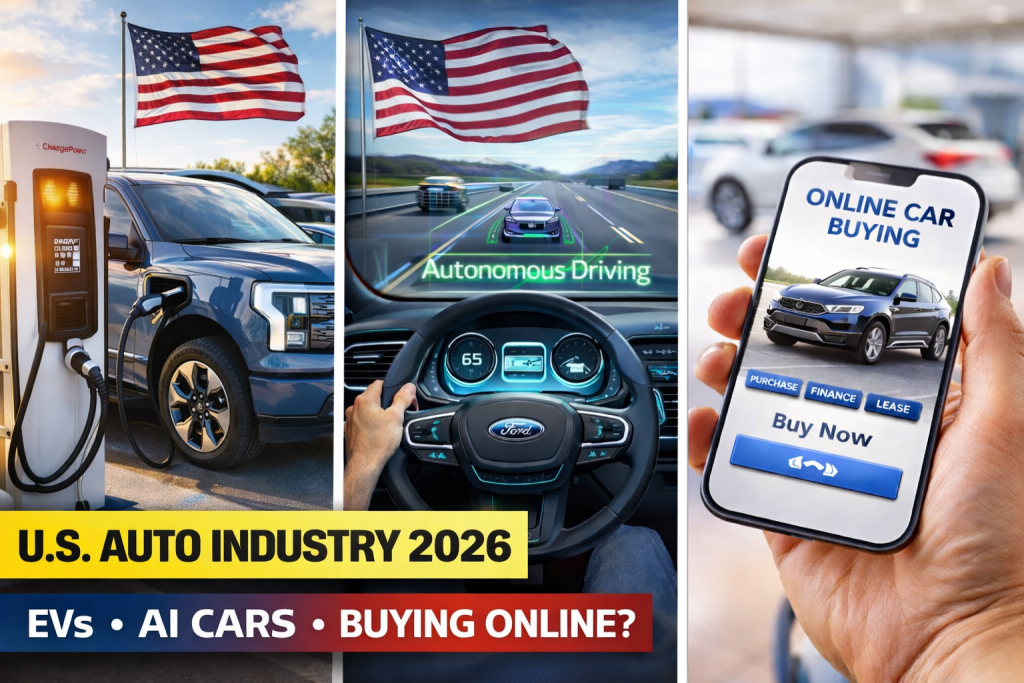
The U.S. auto industry is entering a defining era. With electric vehicles becoming mainstream, AI-driven technology reshaping driving, and American consumers changing how they buy cars, 2026 is proving to be a turning point for the automotive market in the United States.
From Detroit to Silicon Valley, innovation is accelerating — and American drivers are at the center of it all.
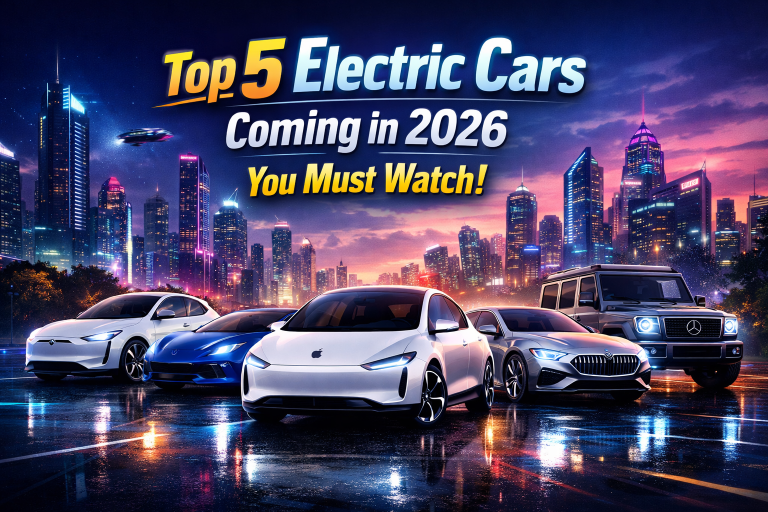
Electric Vehicles Are Surging Across the United States
Electric vehicles are no longer niche in the U.S. market.
🚘 Why EVs Are Growing in America
-
Federal and state tax credits
-
Rising gasoline prices
-
Expanding EV charging networks
Automakers like Tesla, Ford, General Motors, Rivian, and Lucid are leading the U.S. EV movement. Models such as electric pickup trucks and affordable electric SUVs are seeing strong demand nationwide.
Consumer trend: Range, charging speed, and total ownership cost now matter more than brand loyalty.
America’s Charging Infrastructure Is Expanding Rapidly
The U.S. government and private companies are heavily investing in EV infrastructure.
-
Thousands of new fast chargers are being installed
-
Major highways now support long-distance EV travel
-
Retail stores and apartment complexes are adding chargers
This expansion is reducing range anxiety and making EV ownership practical for more Americans.
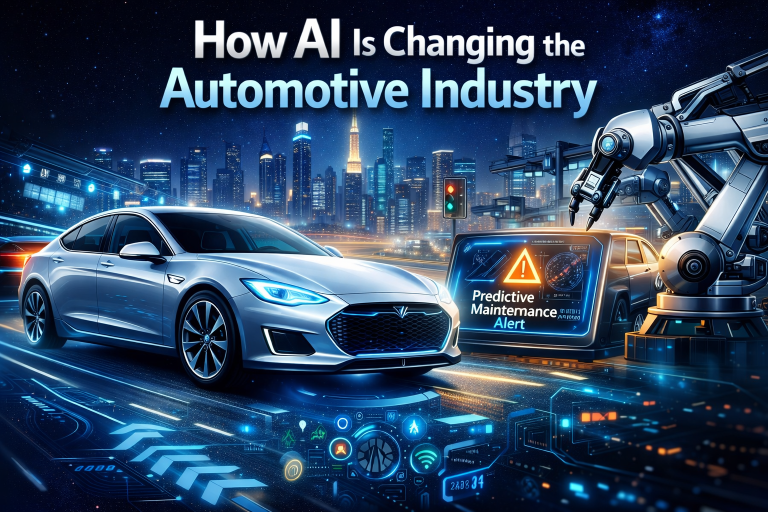
AI and Smart Vehicles Are Changing the Driving Experience
Technology is now a major selling point for U.S. car buyers.
🧠 Smart Features U.S. Drivers Want
-
Adaptive cruise control
-
Lane-centering assistance
-
AI-based safety systems
-
Advanced infotainment with voice assistants
While fully autonomous driving is still under development, driver-assist technology is becoming standard in many mid-priced vehicles.
Pickup Trucks & SUVs Still Dominate the U.S. Market
Despite the EV surge, Americans still love pickup trucks and SUVs.
-
Electric trucks like the Ford F-150 Lightning are gaining traction
-
Hybrid SUVs offer fuel efficiency without sacrificing power
-
Utility, towing, and interior space remain top priorities
Automakers are blending American vehicle preferences with modern tech to stay competitive.
Hybrid Vehicles Are Gaining Popularity in the U.S.
For many Americans, hybrids offer the perfect middle ground.
Why U.S. buyers prefer hybrids:
-
No charging dependency
-
Lower fuel costs
-
Reliable long-distance performance
Brands like Toyota and Honda continue to dominate the U.S. hybrid market.
Manufacturing Is Returning to the United States
The U.S. auto industry is seeing a renewed focus on domestic manufacturing.
-
New EV plants across Texas, Michigan, and the Southeast
-
Battery production moving closer to U.S. assembly plants
-
Job growth in American auto manufacturing
This shift strengthens supply chains and reduces dependency on overseas production.
Software Is Becoming More Important Than the Engine
Cars sold in the U.S. are increasingly software-driven.
-
Over-the-air updates
-
Subscription-based features
-
Continuous performance improvements
Vehicles are now judged by technology lifespan, not just mileage.
Online Car Buying Is Becoming the New Normal
American consumers are embracing digital car shopping.
-
Online financing and approvals
-
Home delivery options
-
Transparent pricing models
This trend is reshaping how dealerships operate across the U.S.
Challenges Facing the U.S. Auto Industry
Despite progress, challenges remain:
-
High vehicle prices
-
EV affordability concerns
-
Charging access in rural areas
-
Battery recycling regulations
How manufacturers respond will determine the industry’s long-term success.
What’s Next for the U.S. Auto Industry?
Looking ahead, expect:
-
Cheaper EVs for mass adoption
-
More U.S.-made vehicles
-
Smarter safety technology
-
Stronger sustainability commitments
The U.S. auto industry is evolving from manufacturing-driven to technology-driven — and American consumers are leading the change.
Final Thoughts
For American drivers, the future of the auto industry means cleaner vehicles, smarter technology, and more choice. Whether you’re buying your next car or following industry trends, 2026 is shaping up to be one of the most exciting years yet.